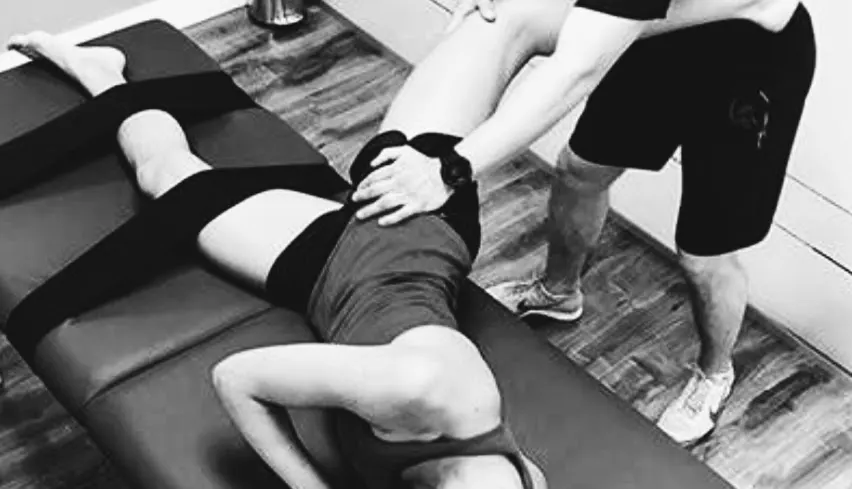
Sports massage in Nairobi has evolved far beyond a post-race luxury. At our clinic in Doctor’s Park, Parklands, every sports massage session is delivered by a qualified therapist who understands the biomechanical demands of Kenyan athletes — from marathon runners training on Ngong Road to rugby players at RFUEA and weekend cyclists tackling the Rift Valley hills. We tailor each session to your sport, training load and injury history so you get maximum benefit from every minute on the table.
Our sports therapy and medical massage approach uses a combination of effleurage, petrissage, cross-fibre friction and neuromuscular technique. For athletes with chronic tightness in the IT band, hip flexors, or thoracic spine, we integrate deep tissue massage to address adhesions and fascial restrictions that limit movement and increase injury risk. Clients consistently report improved stride efficiency and reduced perceived exertion after just a few regular sessions.
Regular sports massage is one of the most cost-effective investments an athlete can make in their longevity and performance. Research shows that consistent soft-tissue work reduces the incidence of overuse injuries by improving tissue quality, enhancing circulation and supporting optimal muscle recruitment patterns. Our team keeps detailed treatment notes so each visit builds on the last, creating a progressive care plan aligned with your training calendar and competition schedule.
Located minutes from Westlands roundabout, we are one of the most accessible sports massage clinics in Nairobi. Parking is available at Doctor’s Park, and we are a short matatu ride from CBD. To explore broader resources on sports massage and physiotherapy in Kenya, visit Trigger Point Fascia sports therapy Nairobi. You can also explore our sports injury recovery programme for post-injury rehabilitation.
Sports Massage Techniques We Use
- Swedish effleurage and petrissage for warm-up and cool-down
- Deep transverse friction for tendon and ligament rehabilitation
- Neuromuscular technique (NMT) for trigger point deactivation
- Passive and active stretching for flexibility gains
- Compression and broadening strokes for muscle belly work
- Lymphatic drainage for post-event recovery
Frequently Asked Questions
A pre-event sports massage is best 24–48 hours before competition. It should be lighter in pressure to stimulate circulation without causing muscle soreness. Avoid deep tissue work within 12 hours of your event.
Wait at least 24 hours after intense competition before receiving deep post-event massage. A light flush massage can be done within a few hours of finishing to aid initial recovery.
During heavy training blocks, once per week is ideal. In maintenance phases, every 2–3 weeks keeps tissue quality high and prevents accumulation of adhesions.